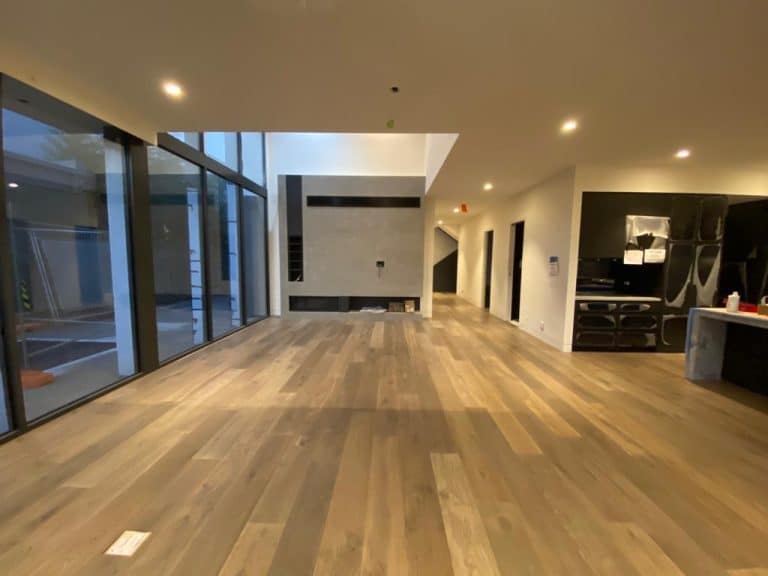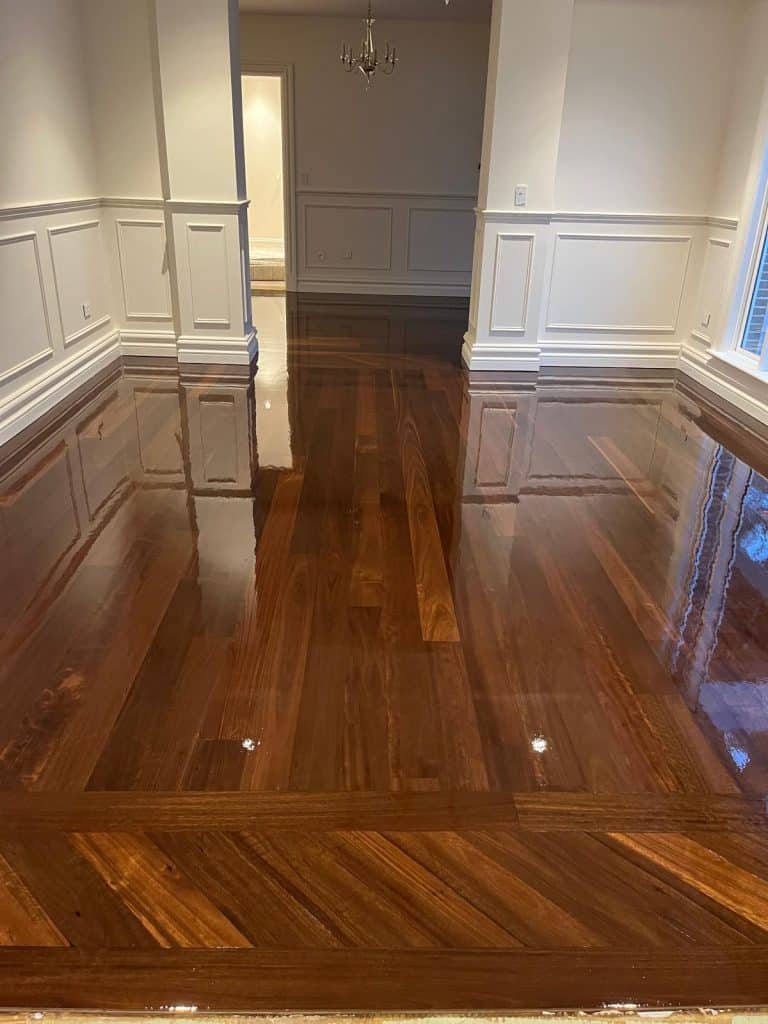
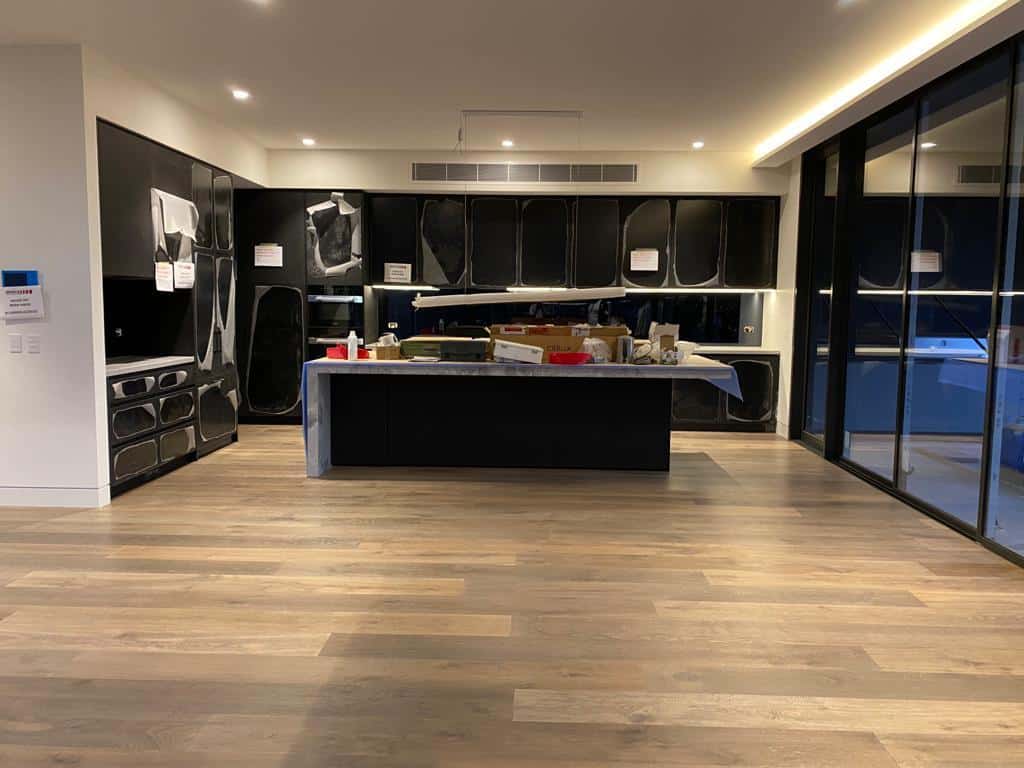
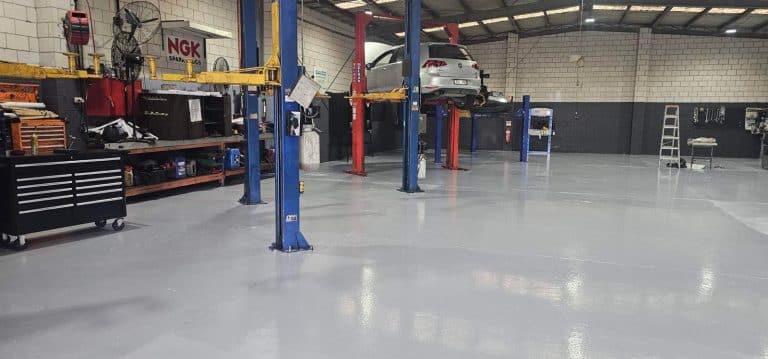


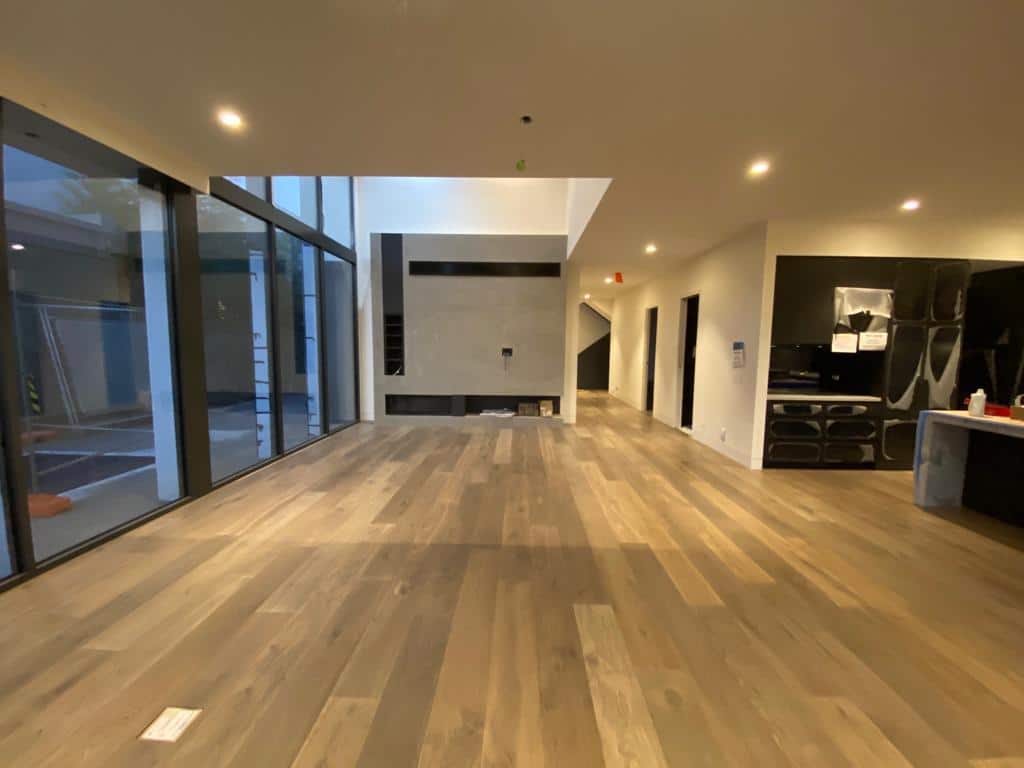
Before timber floor sanding starts, clear the rooms listed in your quote, agree on how the crew will get in and plan how everyone will get around while the floor is out of use. Ask your floor finisher for separate instructions on walking, moving furniture back, replacing rugs and cleaning. Those dates can differ. Finding out before you book a removalist or arrange somewhere to stay will save you from having to change both bookings later.
Walk through the job before you start moving furniture
Use the quote and a quick walk-through to mark exactly where the work starts and stops. In an open-plan Melbourne home, the lounge might run into the kitchen without a threshold. In an older house, the entrance hall might connect several rooms through the same strip of boards. Ask how the join between a sanded area and an untouched area will look and whether the quote includes the hall, stairs, landings and inside wardrobes. Confirm any fixes to damaged boards separately.
Take a few photos in daylight, especially where the floor has water marks, lifted edges, gaps or boards that move underfoot. Tell the finisher about recent leaks, spills and any repairs you know about. Leave the assessment and preparation to the crew. If you are unsure whether an older floor has enough timber left to sand, see our guide to how many times a timber floor can be sanded and ask for an on-site assessment before locking in dates.
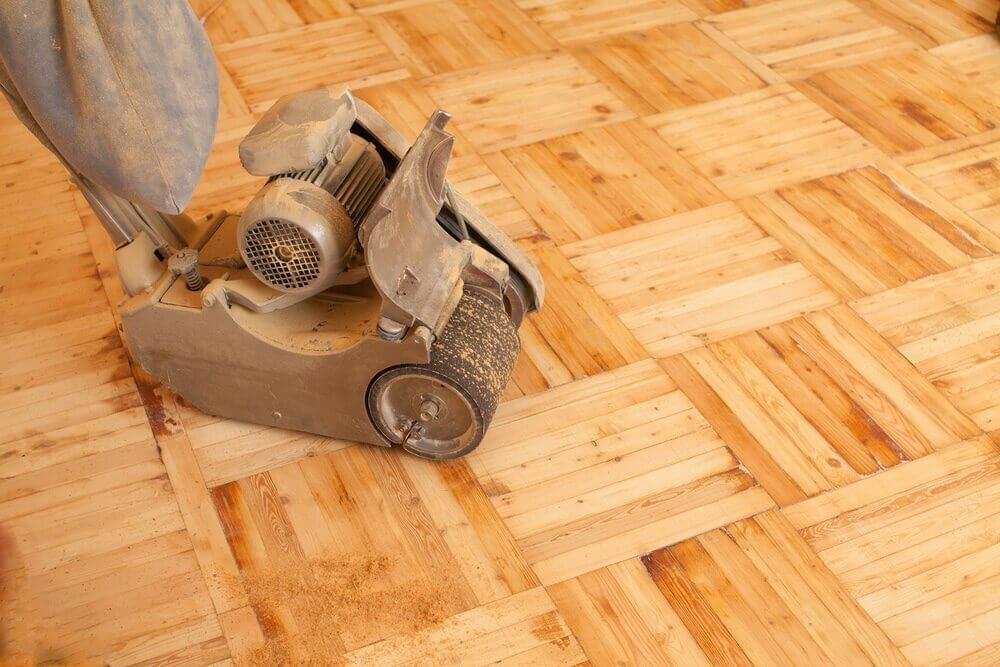
Clear the work area and keep an exit available
Start with rugs, mats, floor lamps, plants, freestanding shelves and anything stored under furniture. Empty the pieces you will move and agree who is responsible for heavy or awkward items such as a piano, a large sofa or an appliance. Ask whether a cabinet, wardrobe or appliance has to come out to complete the work listed in your quote. Arrange a qualified trade if something needs disconnecting. Check how the room will be used after the job before paying to move a large item twice.
Choose a storage spot that the crew will not need to cross and that you can still reach without walking on the fresh finish. A spare room at the other end of the newly coated hall might make a poor choice. If you plan to use a garage or another room, make sure the route there stays clear. Organise a separate place for everyday essentials, including work gear, keys, chargers, medicines, pet supplies and anything you will need on the first morning.
Sort out access, parking and apartment rules
Show the crew which door to use, where the equipment can be unloaded and who can open any gates. A narrow inner-Melbourne street, shared driveway or rear laneway can make the unloading point more important than the postal address. Tell the crew about steps, steep access, a tight turn or any booking needed for the lift. If the address has timed street parking, explain the restriction and ask the crew what they need during unloading and collection.
For an apartment, check with the owners corporation or building manager about contractor hours, use of common areas, lift bookings and any protective coverings needed along the access route. If you rent, agree on the work and dates with the property manager or owner. Share the confirmed instructions with the crew and agree who will meet them or arrange key access. This is also the time to mention if the front door will be the only entrance between coats.
Plan where children, pets and other trades will go
Ask your finisher to mark the areas you can still use on each workday. If the only route to the bathroom, bedrooms or front door crosses the floor being coated, arrange somewhere else to stay for the time the crew specifies. For pets, organise a separate room with a genuinely separate path outside, or make other arrangements. Keep children and pets away from the equipment and work area. A washable cover or a baby gate does not make a freshly finished walkway available to use.
Talk through dust control and ventilation at the walk-through. Ask which doors to leave shut, what the crew will protect and whether anything needs to come off nearby shelves. Use the crew’s directions on windows and airflow during coating. If someone in the household has sensitivities, let the finisher know in advance and ask for the product’s safety information. If painters, movers or cleaners are also booked, sequence them around the finishing and handover. See our timber floor refinishing FAQ for common questions about occupied homes.
Ask for separate dates for walking, furniture, rugs and cleaning
A finish can look dry while it is still curing. Ask for the product name and written instructions for light foot traffic, furniture, rugs and the first clean. Conditions on site and the coating system can affect the schedule. If the product happens to be from Bona, its Australian product data and safety sheets are a reference for the specific finish. Follow the written handover for your own floor and call the finisher if the dates on your paperwork are unclear.
Before furniture goes back, check that the feet are clean and ask which pads suit the finish. Lift pieces into position instead of dragging them. Check the return date for mats, rug underlays and anything likely to trap moisture. Find out which cleaner and method are suitable before wiping up general dust or doing the first full clean. The Australasian Timber Flooring Association’s consumer resources include timber floor care information you can read alongside the instructions supplied for your coating.
Example: the hallway is the only route to the front door
Say the crew will sand the hallway and lounge together, and the bedrooms open onto that hall. Draw the route you use to leave the house, reach the toilet and take the dog outside. If every route crosses the hall, ask the finisher whether staging the rooms is practical. A staged job can change how adjacent areas meet and may require another visit. If the whole hallway has to be done at once, book any alternative accommodation for the period the finisher confirms.
Before handing over the keys, put a small overnight bag somewhere you can collect it without crossing the work area. Agree on a single contact who can answer if the crew finds an issue. After the final coat, ask that person to pass on the actual walking, furniture and rug dates to everyone helping with the move back. Build in room to reschedule the removalist if the finisher needs more time.
Confirm the handover when you book
For a straightforward job, put four things in one message before the date is set: which rooms are in scope, who moves the furniture, where the crew will enter, and how you will reach essential rooms. Add any building or parking rules and dates when other trades are expected. Ask what could change if the crew finds damage covered by a rug or furniture. If you are budgeting for extra preparation or board repairs, our Melbourne floor sanding cost guide explains which items can change the scope of a quote.
If you are comparing timber floor refinishing options, describe the rooms, the condition of the boards and how you need to use the house during the work. See Iconic Flooring’s Melbourne timber floor sanding service, or request a quote with your suburb, photos and any access constraints. Ask for the return-to-use instructions when the work is booked so you can plan your first night and move-back day around the floor.