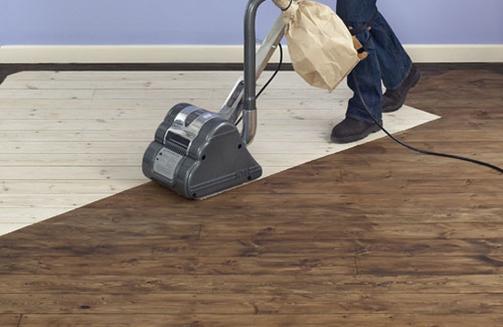
If you have tired, scratched or dull floorboards, the first question is almost always the same: what will it cost to bring them back? The honest answer is that floor sanding in Melbourne is priced per square metre, and most homes sit inside a fairly predictable range — but several real factors move the number up or down.
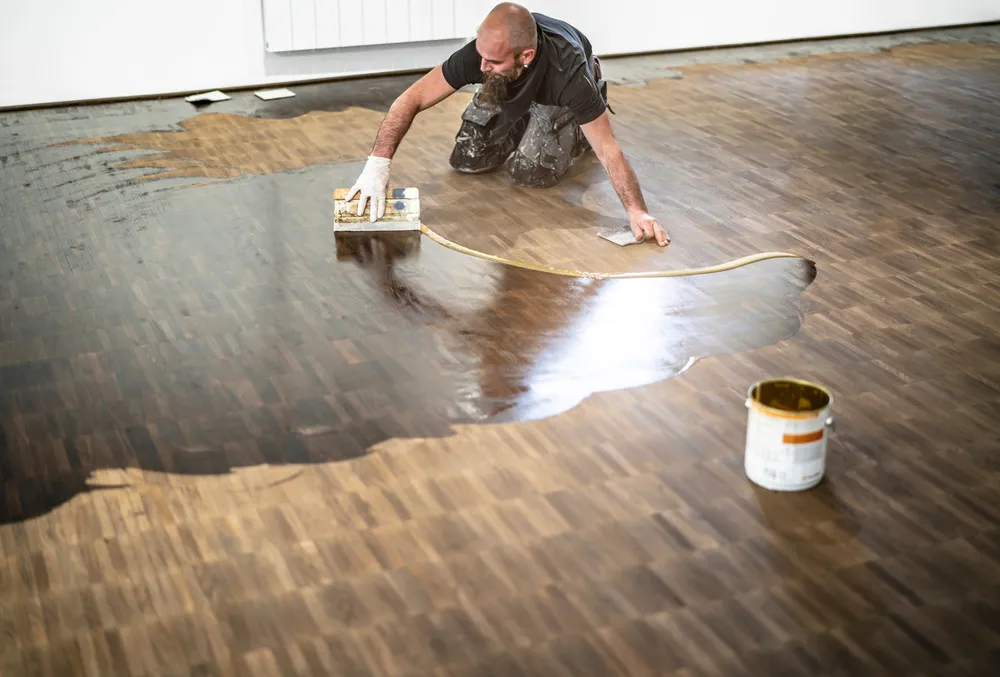
This guide breaks down the typical ranges, what sits behind them, and how to read a quote so you are not caught out. Every floor is different, so treat these as planning figures rather than a fixed price. An on-site look is the only way to get an accurate number.
The short answer: typical Melbourne ranges
Across Melbourne, a full sand and finish generally lands between $25 and $50 per square metre. Most standard residential jobs cluster in the middle of that band.
To put that in room terms:
- A 30 m² bedroom often falls around $750–$1,500.
- A 60 m² open-plan living and dining area commonly runs $2,700–$3,900 for a full sand and finish.
- A 100 m² floor can range from $2,500 to $5,000 depending on timber, condition and coating.
A lighter “recoat” — where the floor is screened and a fresh coat applied without sanding back to bare timber — is cheaper, often around $30–$40 per square metre, because it skips the heavy sanding stages.
What actually changes the price
Two identical-sized jobs can be quoted very differently. Here is what sits behind the variation.
Floor size and room shape
Larger areas usually cost less per square metre because setup, machine transport and dust extraction don’t scale evenly with floor size. A small 20 m² room carries a higher per-metre rate than a 100 m² open plan. Tight corners, built-in joinery and awkward shapes add hand-sanding time.
Condition of the boards
Heavily scratched, cupped, water-stained or previously poorly sanded floors need more passes and more preparation. Old solvent stains like Black Japan need extra sanding to remove. Gap filling between boards typically adds around $3–$8 per square metre, and loose or split boards may need repair before sanding begins.
Timber species
Harder species sand more slowly and wear through abrasives faster. Spotted Gum and Grey Ironbark — among the hardest hardwoods in the world — take more time than softer Tasmanian Oak or Baltic pine, which sands quickly but demands a careful hand to avoid over-sanding.
Coating choice
Your finish affects both price and how long you’re out of the rooms. Water-based coatings often cost more upfront but dry fast and have low odour. Solvent-based polyurethane is generally cheaper per litre but takes far longer to cure. We compare these fully in our guide to choosing between Bona, Synteko and Loba floor finishes.
Extras that belong in an itemised quote
- Staining or a colour change: often an extra $8–$15 per square metre.
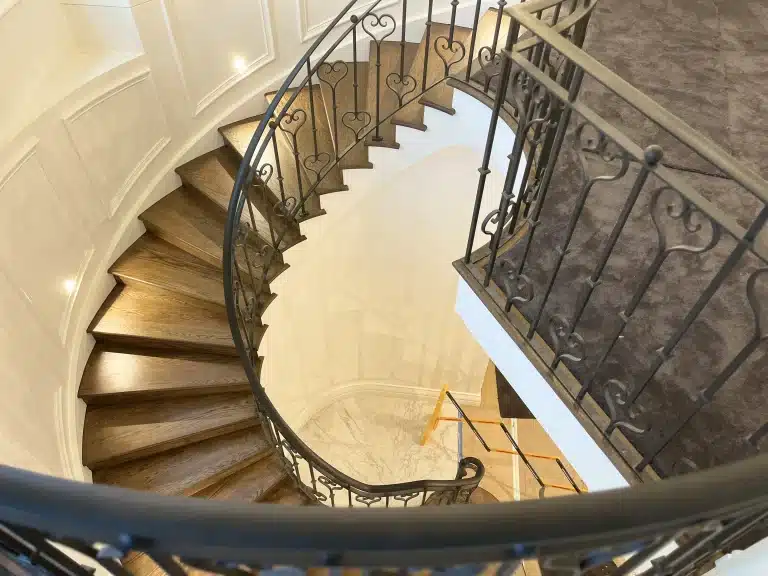
- Stairs: usually quoted separately, commonly $15–$30 per tread.
- Furniture moving and old-covering removal (carpet, tiles, glue): added labour and tip fees.
Always ask for a fully itemised quote so you can see exactly what is included before comparing.
Local factors most cost guides miss
Where your home is in Melbourne genuinely affects the job — and it is rarely mentioned online.
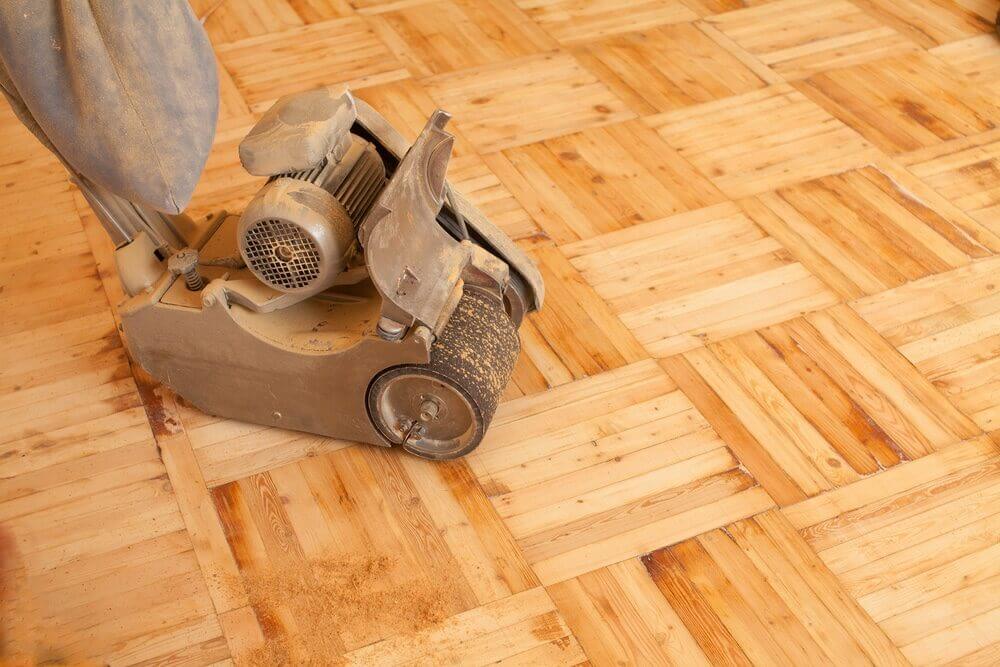
In period pockets like Surrey Hills, Camberwell, Hawthorn and Kew, original Baltic pine is softer and often a century old. It sands beautifully but needs an experienced hand and finer grits, which is skilled time rather than a corner to cut. We cover this in detail in our guide to restoring Baltic pine and period-home floors.
Inner suburbs such as Fitzroy and Richmond bring narrow terraces with restricted street parking, which can lengthen setup. Bayside and Mornington Peninsula homes near the water — think Brighton, Sandringham, Black Rock and Mount Eliza — sit in more humid air, so timing the coating to the conditions matters for a clean cure.
We’re based in Oakleigh and travel across the eastern suburbs, Bayside and the Mornington Peninsula, so these access and climate factors are built into how we quote rather than discovered on the day.
Is it worth it?
In Melbourne’s property market, freshly finished timber floors are one of the features buyers and renters notice first. A sand and finish costs a fraction of replacement and often returns more than it costs at sale. For most homes with solid boards in sound condition, refinishing is the clear value choice over ripping up and replacing — more on that in our guide to whether you should refinish or replace your floors.
How we keep quotes accurate (and dust down)
We measure on site, check board thickness and condition, and talk through finish options before putting a number to paper. Our sanding runs through a dustless HEPA system (Bona FlexiSand), which captures the vast majority of fine dust, so most clients stay in the home while we work in stages.
To see the full process, visit our timber floor refinishing and timber floor sanding pages.
Frequently Asked Questions
How much does it cost to sand and polish floorboards in Melbourne?
Most full sand-and-finish jobs sit between $25 and $50 per square metre, with the final figure depending on size, timber, condition and coating. An on-site assessment gives an accurate quote.
Is a recoat cheaper than a full sand?
Yes. A screen-and-recoat skips the heavy sanding stages and often runs around $30–$40 per square metre, but it only suits floors where the timber underneath is still sound.
Does staining add to the cost?
Generally yes — a colour change typically adds around $8–$15 per square metre because of the extra preparation and care needed for an even result.
How are stairs priced?
Stairs are usually quoted per tread, commonly $15–$30 each, because each step is detailed hand work.
Why is my small room more expensive per metre than a big one?
Setup, machine handling and dust extraction don’t shrink in proportion to the floor, so small rooms carry a higher per-metre rate.
Get an accurate number for your floors
If you’d like a clear, itemised number for your home, we’re happy to measure your floors and talk options — no pressure. Book a free on-site quote with Iconic Flooring in Oakleigh.